Before you run this sample, make sure that security is enabled for WebSphere® Process Server and that the users and groups are created as required, for example, by using the script ADDUSERS1.BAT as described in the in the Introduction section.
This sample is started by using the Business Choreographer Explorer and then continued by using the custom client shipped with this sample.
Business Process Choreographer Explorer (BPC Explorer)
If you already know how to start a BPC Explorer session, you may proceed to the section Start the credit request process.
To start BPC Explorer in the integrated test environment of your WebSphere Integration Developer, follow these steps:
- In WebSphere Integration Developer, switch to the Servers view.
- In the table, right-click WebSphere Process Server v7.0.
- From the pop-up menu, select Launch > Business Process Choreographer Explorer.

To start BPC Explorer on WebSphere Process Server, follow these steps:
- In a web browser, open URL
http://yourhost:yourport/bpc.
Note: Replace yourhost with your server's internet address and replace yourport with the port of your server's HTTP transport,
for example
The login screen is displayed:
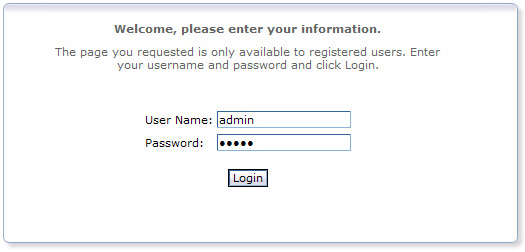
- Enter a valid User ID and Password. The default User ID is admin.
- Click Login.
Start the credit request process
To start the order process, follow these steps:
- Switch to the BPC Explorer.
- Log in with user ID
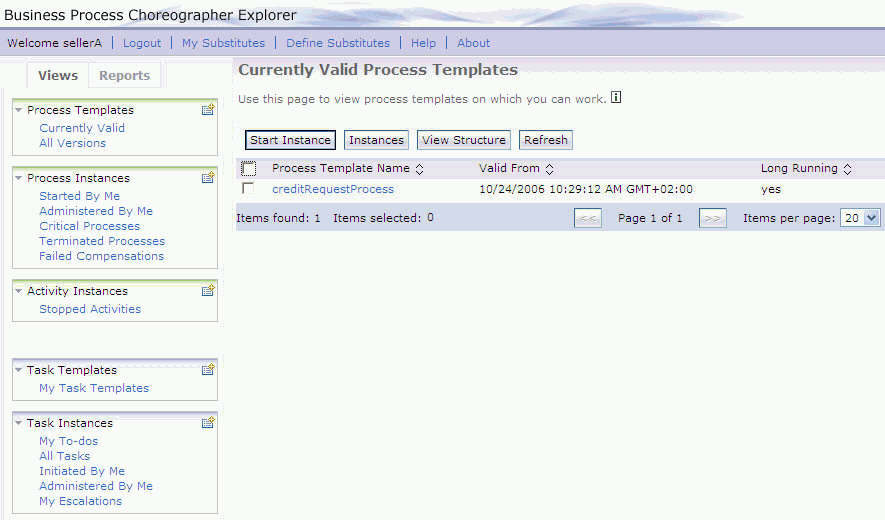
sellerA. - In the Process Templates section, click Currently Valid.
- Check the checkbox next to creditRequestProcess, then click Start Instance.
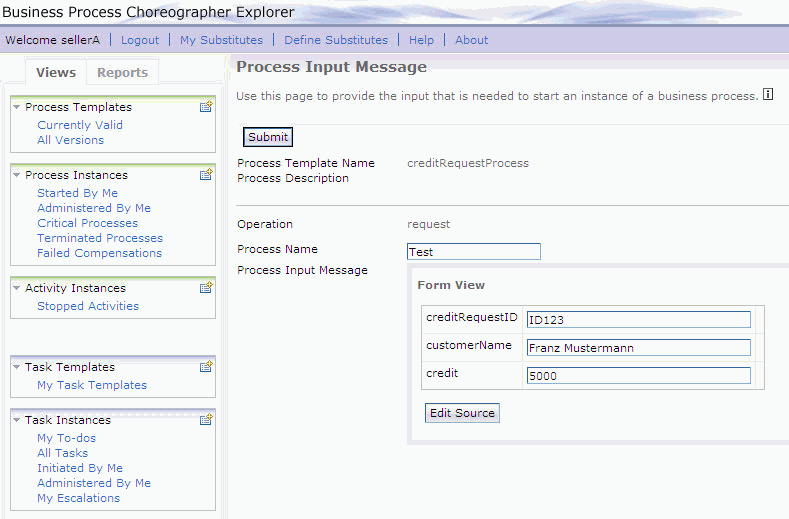
- Optionally, enter a Process Name that you can use later to identify the process instance.
- In the creditRequestID field, enter a value of type string.
- In the customerName field, enter a value of type string.
- In the credit field, enter an integer value.
- Click Submit.
The Currently Valid Process Templates view is displayed:
The Process Input Message view opens:
Call the custom client
To start the custom client, follow these steps:
- Install the FollowOnTaskClientEAR.ear file delivered with this sample.
- In a web browser, open URL
http://yourhost:yourport/followontask. - If prompted, login as
sellerAto authenticate yourself to the server:- If you did not authenticate to your WebSphere Process Server during your current browser session, a login dialog appears.
- If you already did authenticate to your WebSphere Process Server, for example by opening the BPC Explorer, the login dialog will be skipped.
Note: Replace yourhost with your server's internet address and replace yourport with the port of your server's HTTP transport,
for example
The welcome page is displayed:
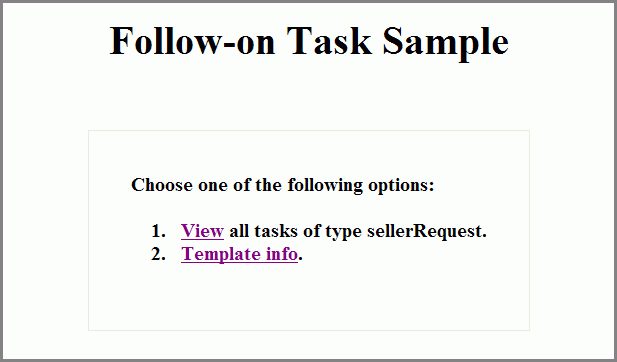
View template information
To view information about the task templates used in this sample, click on the Template info link. The template information page is displayed:
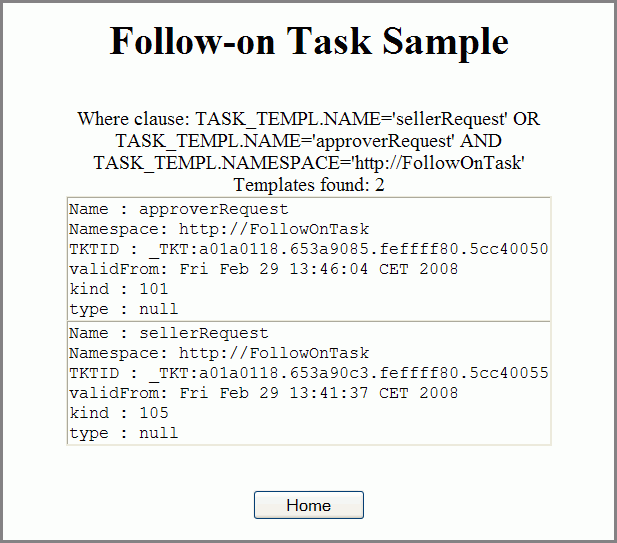
Click on Home to return to the welcome page.
Start a follow-on task
- Switch to the welcome page of the custom client.
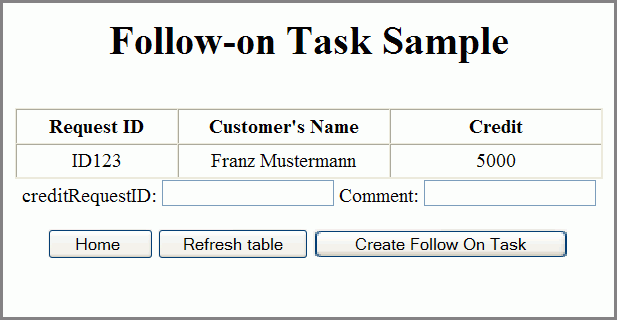
- Click on the View link.
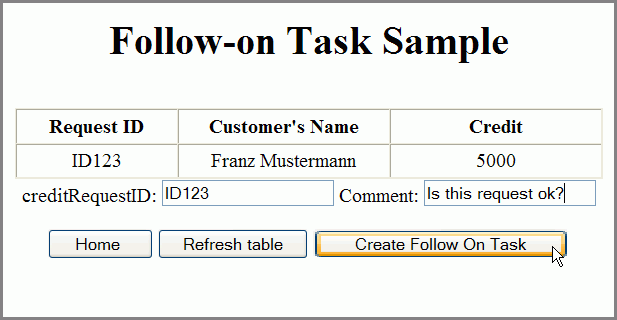
- In the creditRequestID field, enter the value of the task for which you want to create a follow-on task. In this case it is ID123.
- In the Comment field, enter a string which will be presented to the receiver of the created follow-on task.
- Click the Create Follow On Task button to create the follow-on task.
- Click the Home button to return to the welcome page.
The instances of the seller request task are displayed:
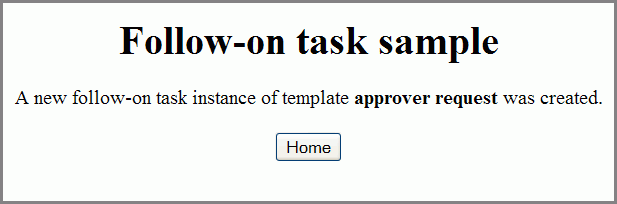
The following message is displayed:
Work with the follow-on task
- Switch to the BPC Explorer.
- Click Logout to log out the user sellerA.
- Log in with the user ID
approverA. - In the Task Instances section, click My To-dos.
- Select the task instance of the template approverRequest.
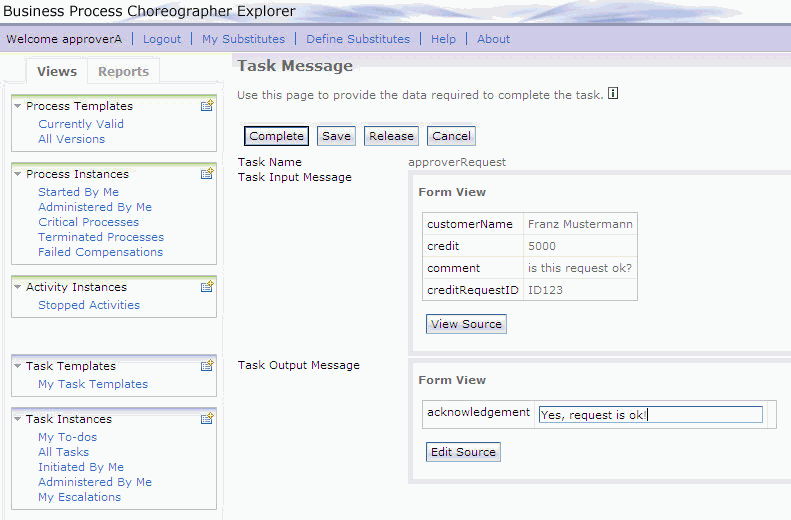
- Click on Work on. The Task Message view is displayed.
- In the acknowledgement field, enter a string value.
- Click Complete.
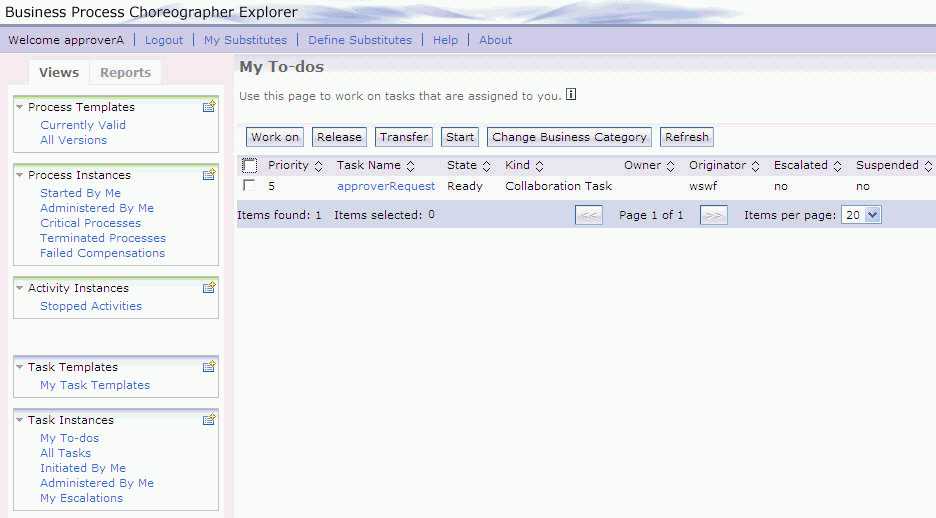
The My To-dos view is displayed, which contains the newly created follow-on task.
Note that the comment you entered on the custom client is presented here again.
Check the results of the follow-on task
- Switch to the BPC Explorer.
- Click Logout to log out the user approverA.
- Log in with the user ID
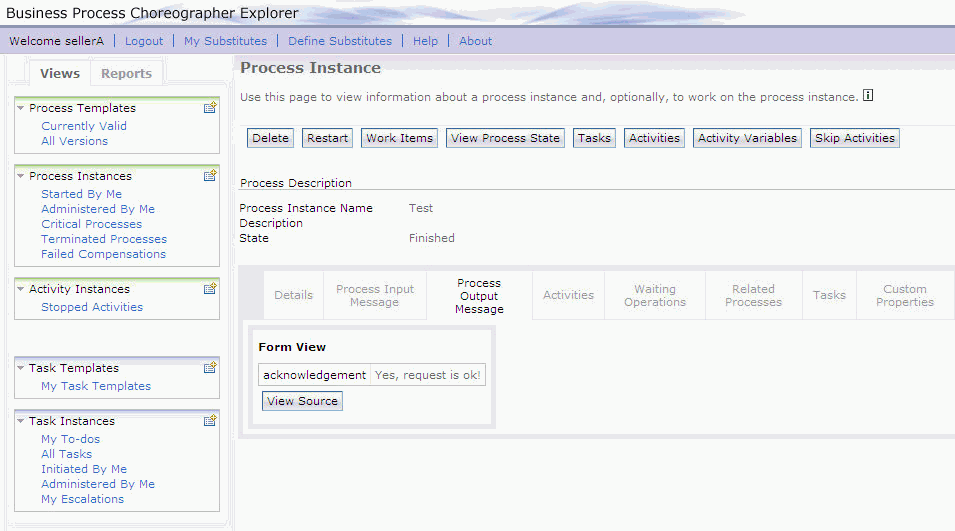
sellerA. - In the Process Instances section, click Started By Me.
- Click the hyperlink in the Process Instance Name column (in this example, we used Test).
- Click on the Process Output Message tab.
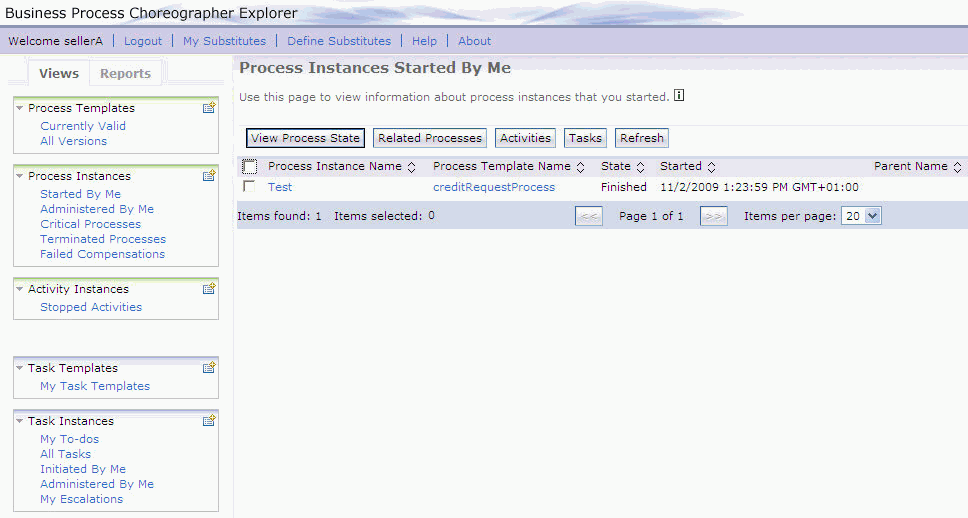
The Started By Me view is displayed:
The Process Instance page is displayed.
The output message is displayed. Note that it contains the value which approverA entered in the acknowledgement field in the follow-on task.